In October 2025, Synergy submitted a Development Application (DA) to the Shire for a proposed Wind Farm in Scott River. 

The DA is currently being advertised on the Shire's YourSay platform. Find out more and have your say here. This project will be assessed through the State decision-making body known as the Development Assessment Panel (DAP). 

We are also currently asking for community feedback on the draft Local Planning Policy - Renewable Energy Facilities. Find out more here.

You can find information about the next steps for this project, the role of the Shire and other government agencies, and the new Local Planning Policy we are developing below. 

Timelines

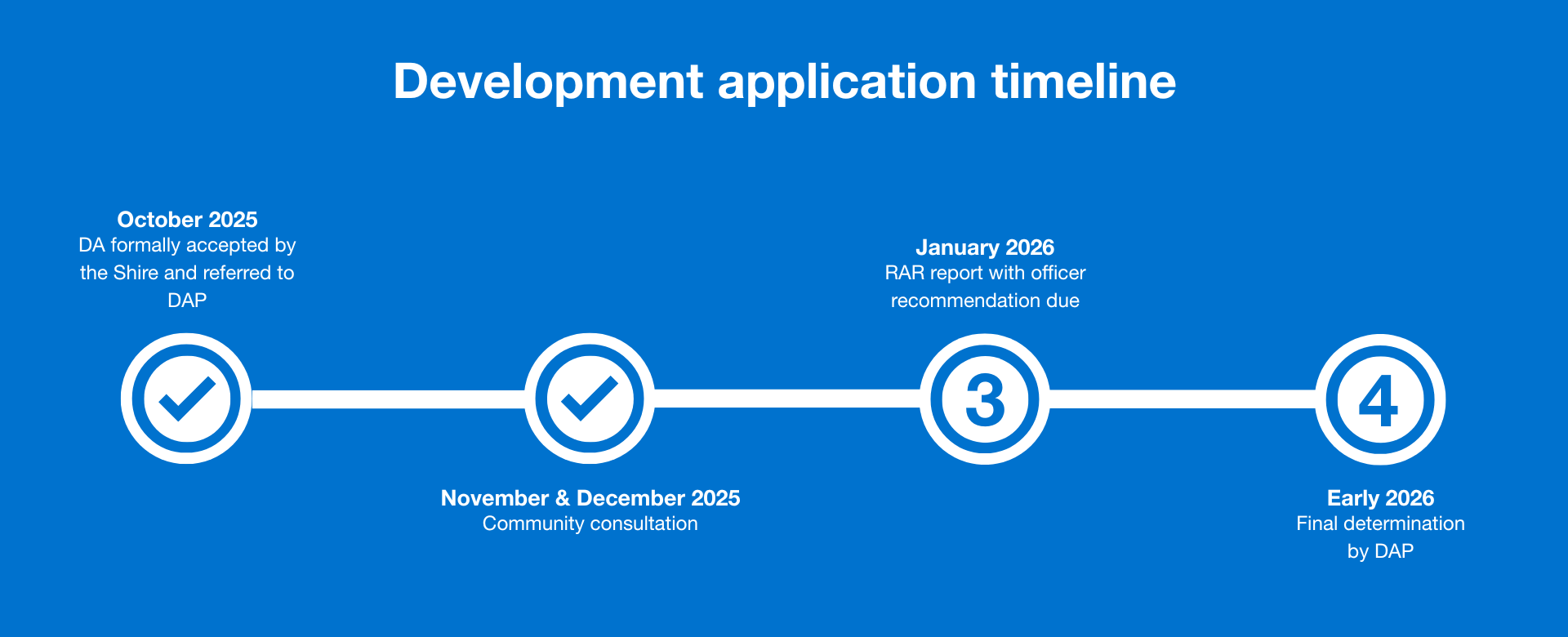
Development Application

These dates are subject to change if an extension of time is required and agreed upon by the Shire and the applicant (Synergy). 


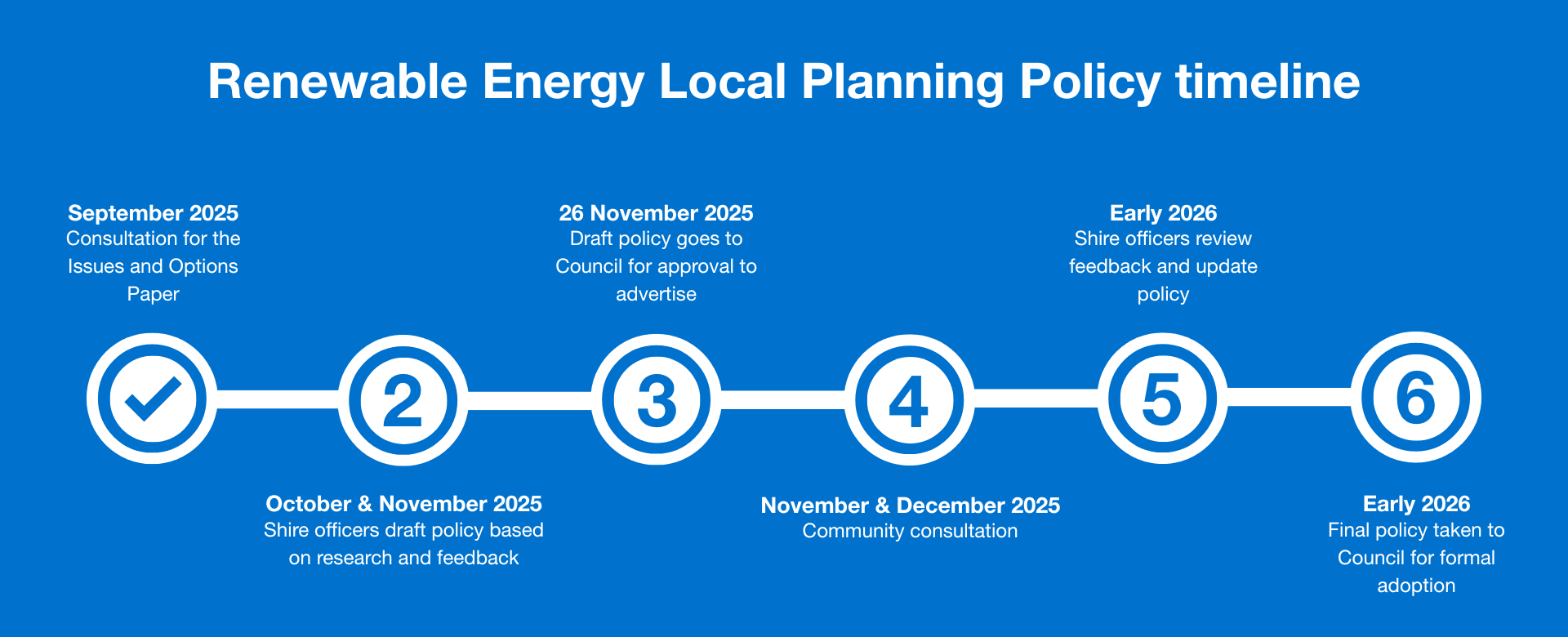
Renewable Energy Local Planning Policy


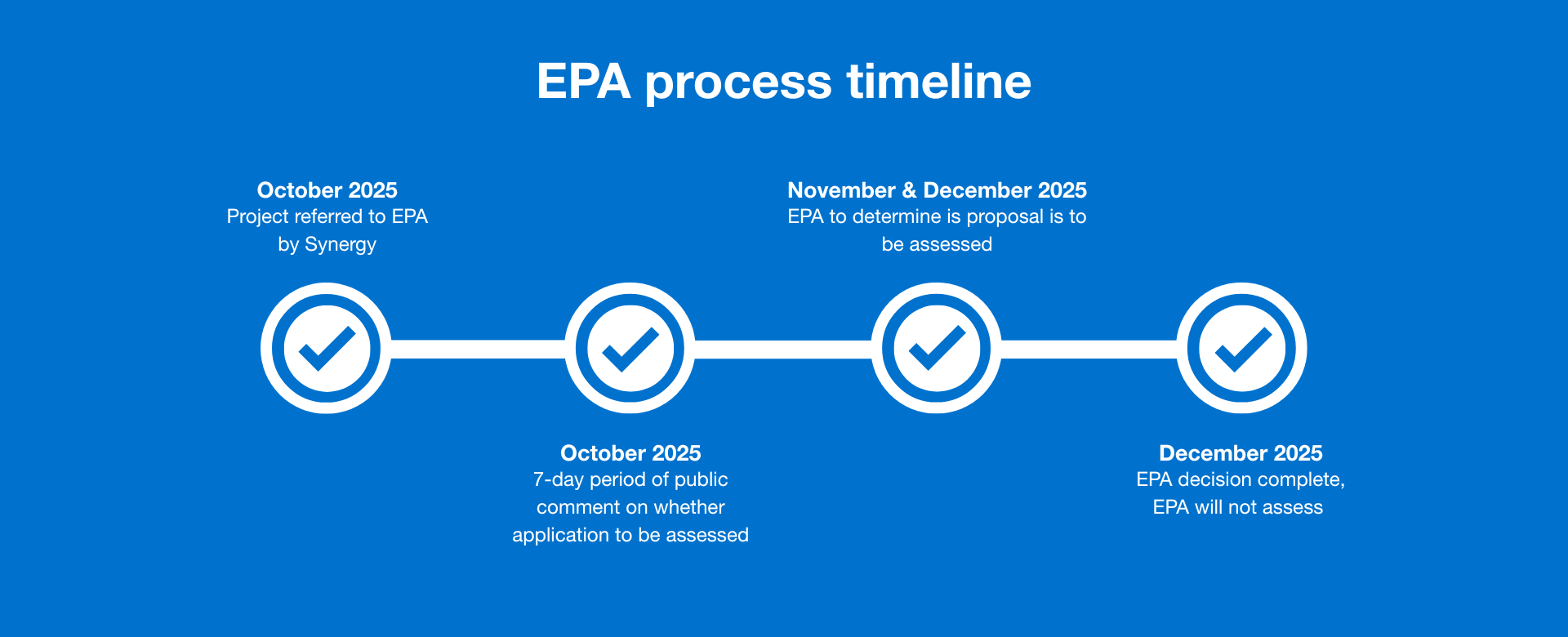
EPA Process


Development Assessment Panel

The DAP is an independent planning assessment pathway that combines technical planning expertise and local knowledge when considering development applications.  

Each DAP meeting includes five members – three specialists and two local government members from our Shire Council. This means that while the local government can’t determine the application, two of our Councillors have a seat at the decision-making table.  

A Development Application is eligible to follow the DAP pathway when the project is valued at $2 million or more. It is an opt in process, but in practice most eligible projects choose to go through DAP. The Shire cannot decide whether or not a project is assessed this way.  

This means the Shire’s role in this process will be to provide advice and recommendations, but the proposed Scott River Wind Farm application won’t formally go before Council and the final decision will rest with the DAP panel.  

Read the DAP Application Process Flowchart for more information.


FAQs

How does the DAP process work? 

DAP applications follow a standard process that is set out by the State Government. 

Find out more here.

What is a RAR? 

The Shire’s role in the DAP process is to prepare a Responsible Authority Report (RAR). The RAR outlines the planning assessment and provides a recommendation to the DAP. The RAR considers relevant planning policies, community submissions, and technical advice.

Will the decision go to Council? 

The State Government changed the rules on the DAP process earlier this year to require reports to the DAP to be made by staff only, meaning reports on matters being considered by the DAP cannot be presented to a Council or Committee meeting.   

The Members of Council who sit on DAP for the Shire are Shire President Julia Jean-Rice and Cr Greg Boland. 

How can community be involved in the DAP process? 

The DA for the proposed Scott River Wind Farm is currently advertised on the Shire’s YourSay platform. Find out more and have your say here. We encourage all interested community members to take the time to respond at this stage. 

Each person who provides a written submission when the Shire advertises the DA on YourSay is required to be notified ahead of the DAP meeting. An interested person may request to make a deputation to a DAP meeting. You can find out more about that process here. 

Renewable Energy Local Planning Policy

Local Planning Policies (LPPs) are guidelines developed by local governments to help shape how land is used and developed in their communities. 

These policies provide clarity on what types of development are acceptable, how planning decisions are made, and how community values are reflected in local planning frameworks.

In mid-2025 the Shire began work on a Renewable Energy Local Planning Policy. The purpose of this policy is to help with decision making on renewable energy projects until the WA state government establishes a state-wide policy to guide the development of large-scale facilities. 

In September 2025, an Issues & Options Paper was advertised for community feedback on the Shire’s YourSay platform.

139 community members participated in the online survey, with 68% of respondents supportive of the Shire developing a local planning policy to inform the development of renewable energy in the Shire. 

The draft Policy is now open for public comment on our YourSay page here.


FAQs 

Why is the Shire developing this Policy?

 LPPs remain one of the few planning instruments over which Local Governments retain control over the preparation and adoption of, providing Local Governments with an opportunity to ensure that local planning frameworks reflect the values and needs of their local communities. 

Shire officers will be able to use the Renewable Energy Local Planning Policy when preparing the RAR for the proposed Scott River wind farm.  

How does a LPP interact with State legislation? 

Local planning policies still need to be relevant within the planning framework and so be a fair reflection of fact, evidence and local context. When making a decision, due regard is required to be given to an LPP, together with other policy, legislation and accepted decision making principles that apply.


Role of the Environmental Protection Authority

The Environmental Protection Agency (EPA) is an independent authority responsible for considering the impact of development on our natural environment. If a proposal has the potential to significantly impact the environment, it should be referred to the EPA. The EPA has considered the proposal and determined that formal assessment is not required. Read the detail of the decision on their website. 

Find out more about them here: https://www.epa.wa.gov.au/about-environmental-protection-authority 

Synergy self-referred the proposed Scott River wind farm to the EPA in October 2025. The EPA has considered the proposal and will not assess. 

Read about the Environmental Impact Assessment Process.


FAQs

How does the EPA process work? 

You can find a step-by-step guide on the EPA’s website. 

How do environmental and planning approvals work together? 

In Western Australia, environmental approvals and planning approvals are two separate but connected processes. 

The Environmental Protection Authority (EPA) assesses proposals that may have significant environmental impacts, like large-scale developments near sensitive ecosystems or water sources. If needed, the EPA recommends conditions to protect the environment, which are then legally enforced by the Minister for Environment under the Environmental Protection Act 1986.  

Local government and the WA Planning Commission manage planning approvals, which focus on land use, design, infrastructure, and community impact. These approvals must consider environmental factors, but they don’t duplicate EPA conditions. However, the planning authority ensures that the development aligns with those conditions. Developers must comply with both sets of approvals before starting work.

If the EPA determines that they will assess a proposal, the planning process may be paused until the environmental review is complete. In the case of an application made through the Development Assessment Panel (DAP pathway), the local government may still make its recommendation, however, the final determination cannot be made by the DAP panel until the EPA review is complete. 

Why did the EPA only have their consultation open for seven days? 

The EPA’s standard process, outlined in their Environmental Impact Assessment Procedures 2016, allows seven days for public comment on whether a project should be assessed. 

Share this page

Back to Top of the page