Food allergies are a growing part of everyday life in Australia, and local food businesses play a key role in helping customers stay safe
Clear communication about allergens isn’t just good practice, it’s a legal requirement and an important part of running a safe and compliant food business.Across the country, around 1 in 10 babies, 1 in 20 teenagers and 1 in 50 adults live with a diagnosed food allergy. With more customers asking about ingredients, allergen awareness is becoming a normal and expected part of customer service in cafés, restaurants, takeaways and food manufacturing.
Understanding food allergies
A food allergy occurs when the immune system reacts to a food protein as though it is harmful. Reactions can range from mild symptoms to anaphylaxis, which is life threatening and requires urgent medical treatment.
The most common allergens in Australia and New Zealand must be declared, including:
• peanuts
• tree nuts
• milk
• eggs
• sesame
• fish
• shellfish
• soy
• lupin
• wheat
In addition to these, more than 170 other foods have been known to trigger allergic reactions.
What this means for your business
Food businesses – whether you’re a cafe, deli, food truck, bakery, restaurant or manufacturer, must comply with the Food Act 2008 and the Australia New Zealand Food Standards Code, which set out strict rules for declaring allergens in both packaged and unpackaged foods.
If you prepare or serve unpackaged food
Businesses must:
• Provide accurate allergen information when a customer asks
• Ensure staff understand ingredients in every menu item
• Maintain staff skills and knowledge around allergen management
• Communicate clearly and confidently with customers who disclose an allergy
Good allergen management helps build customer trust and reduces the risk of unsafe food handling.
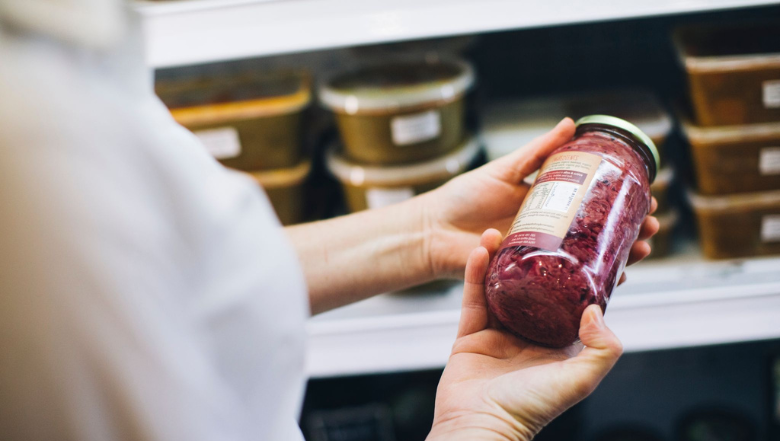
If you manufacture or sell packaged food
You must ensure that:
• All allergens are listed in bold in the ingredient list
• A separate allergen statement appears next to or below the ingredients
• Labels accurately reflect all ingredients, including changes made during preparation or manufacturing
Businesses are encouraged to seek advice from a food labelling specialist or legal professional if unsure about their compliance.
Free training
Staff training makes a huge difference in keeping customers safe and confident in your service.
Free online training for food handlers - the National Allergy Council offers free, easy to follow online training for anyone who handles food.
Trusted resources
Food standards Australia New Zealand
WA Department of Health: Food allergen declarations and labelling requirements
Allergy & Anaphylaxis Australia: Food allergy guidance and resources
Posters: Allergy be a Mate poster | Allergy Signs & Symptoms poster | Food Service Usual Suspects A4 poster
Need more help?
If you're still unsure after seeking professional advice, the Shire’s Public Health team can provide additional guidance. Email: [email protected]
return to news and public notices
Back to top